

Brand. Art. Space.
One philosophy. Three practices.
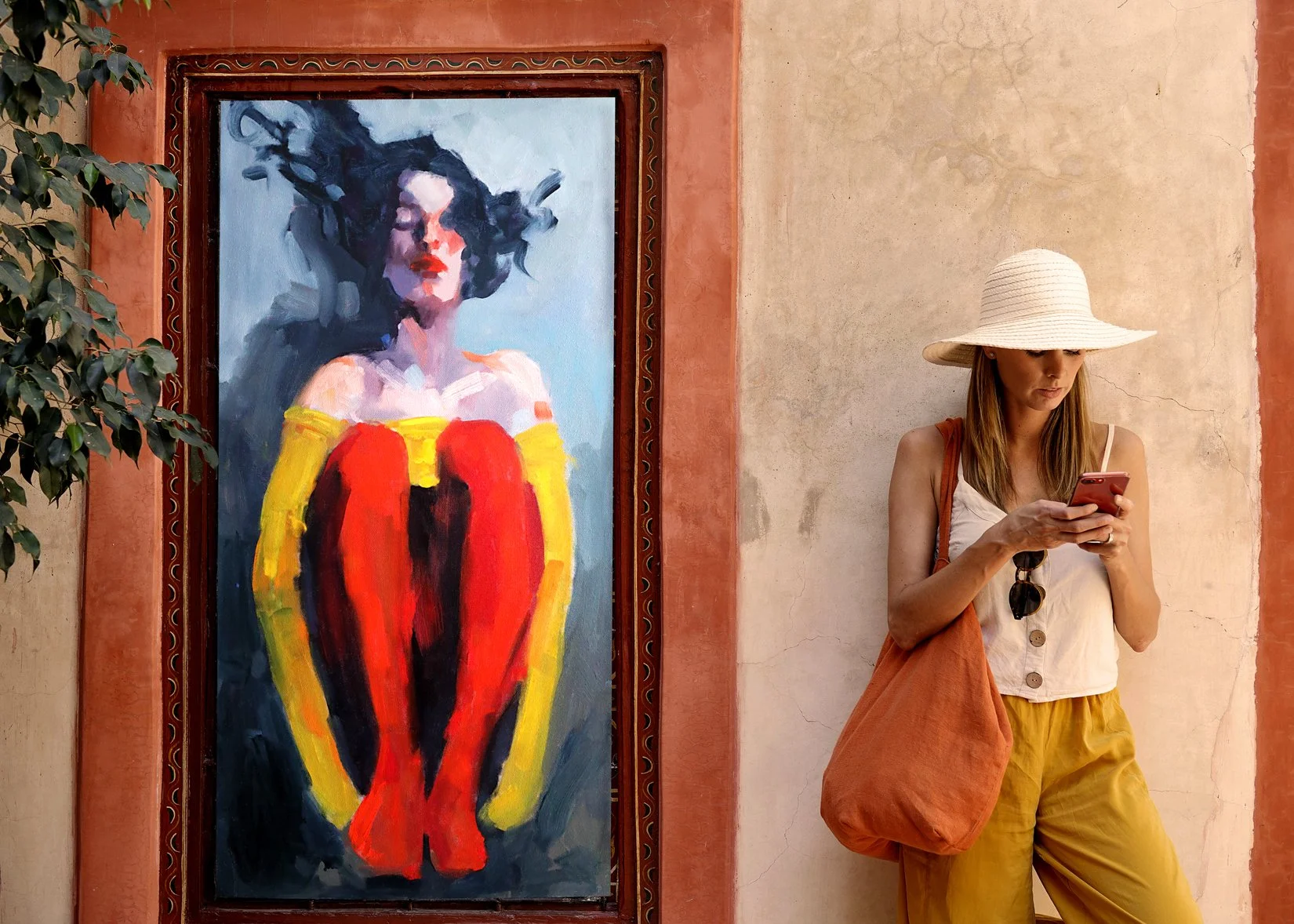
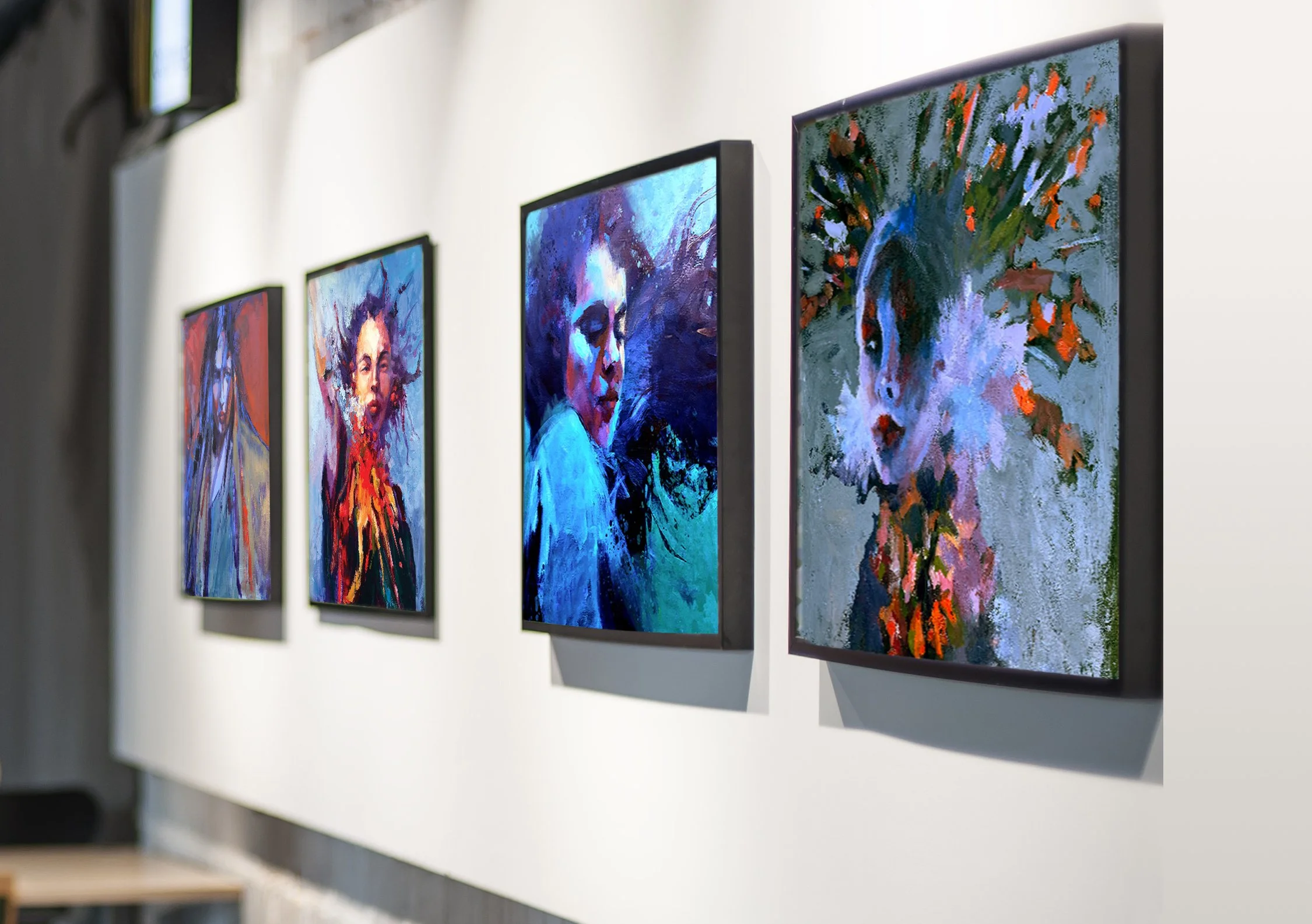
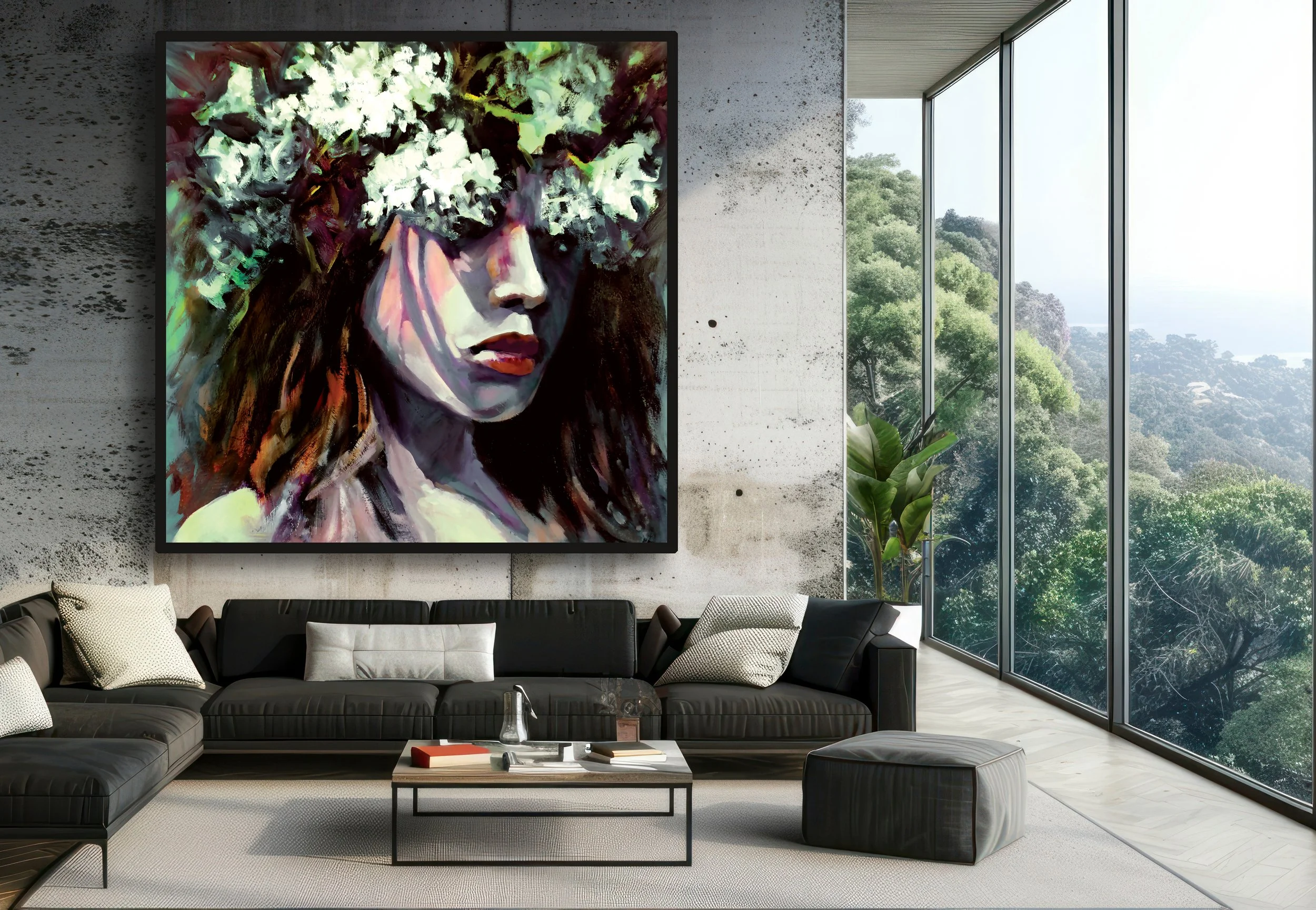
art.
Why
Before language, we read the face.
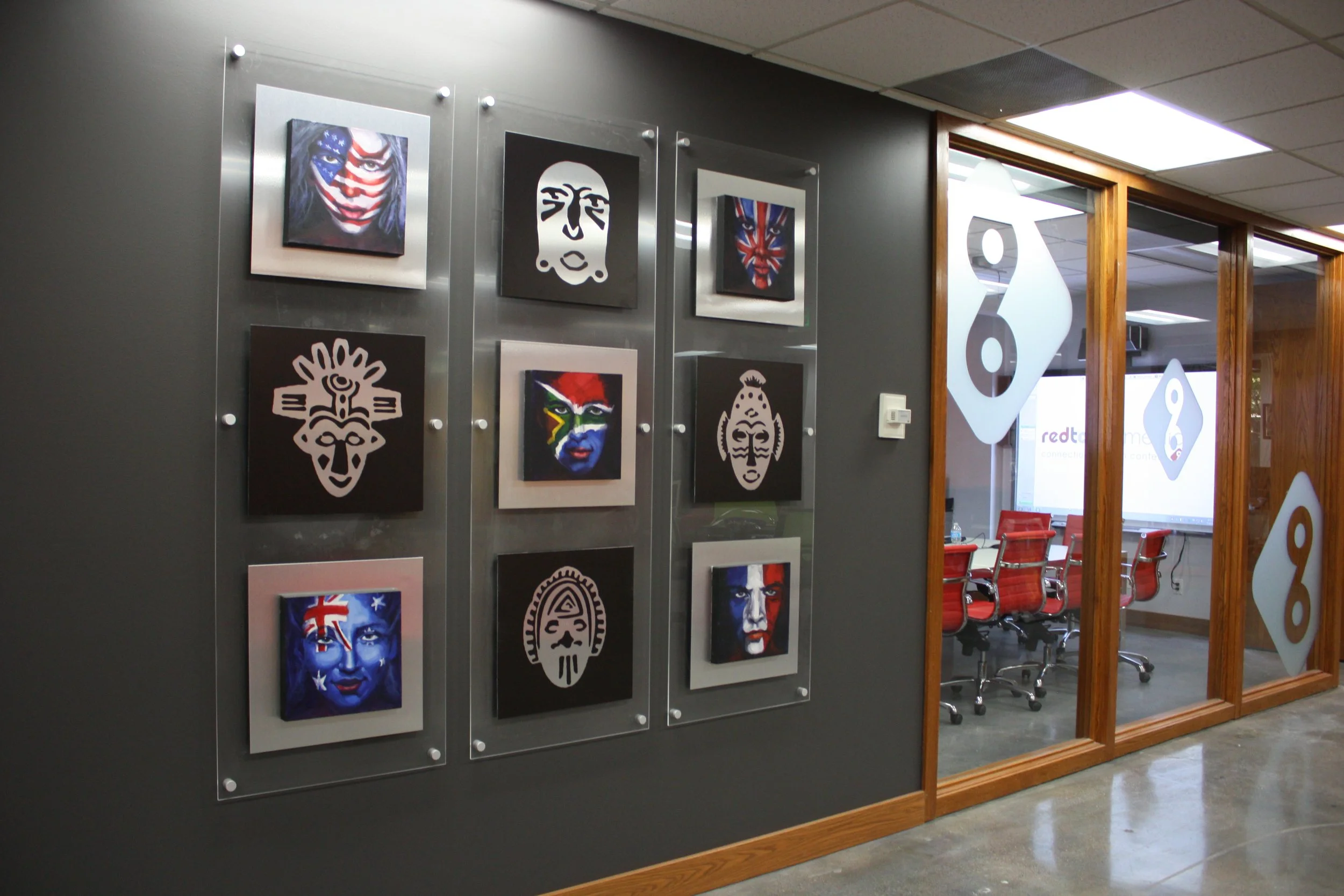
Expression, gesture, and gaze are among the first ways we understand emotion and belonging. That is one reason I return to the figure.
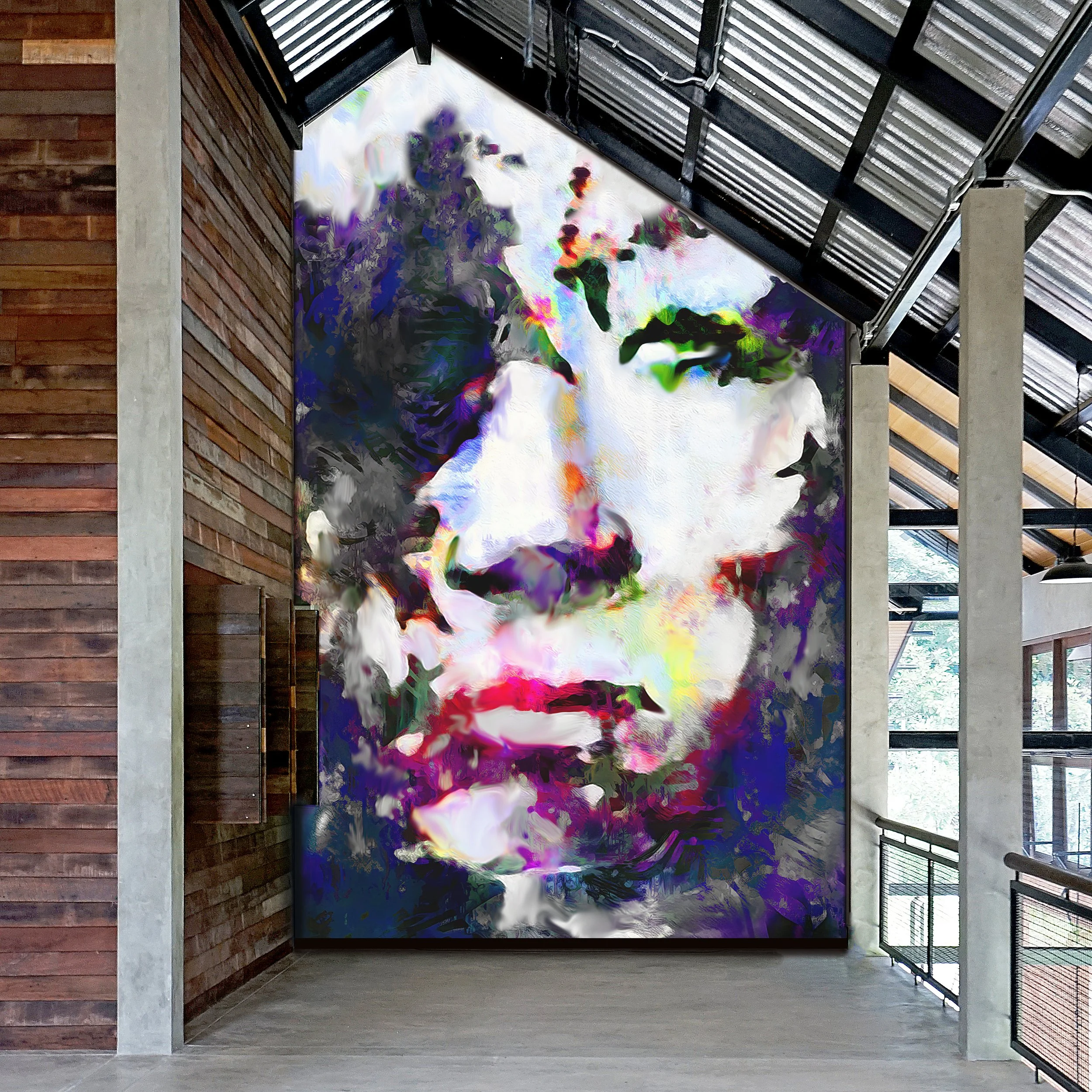
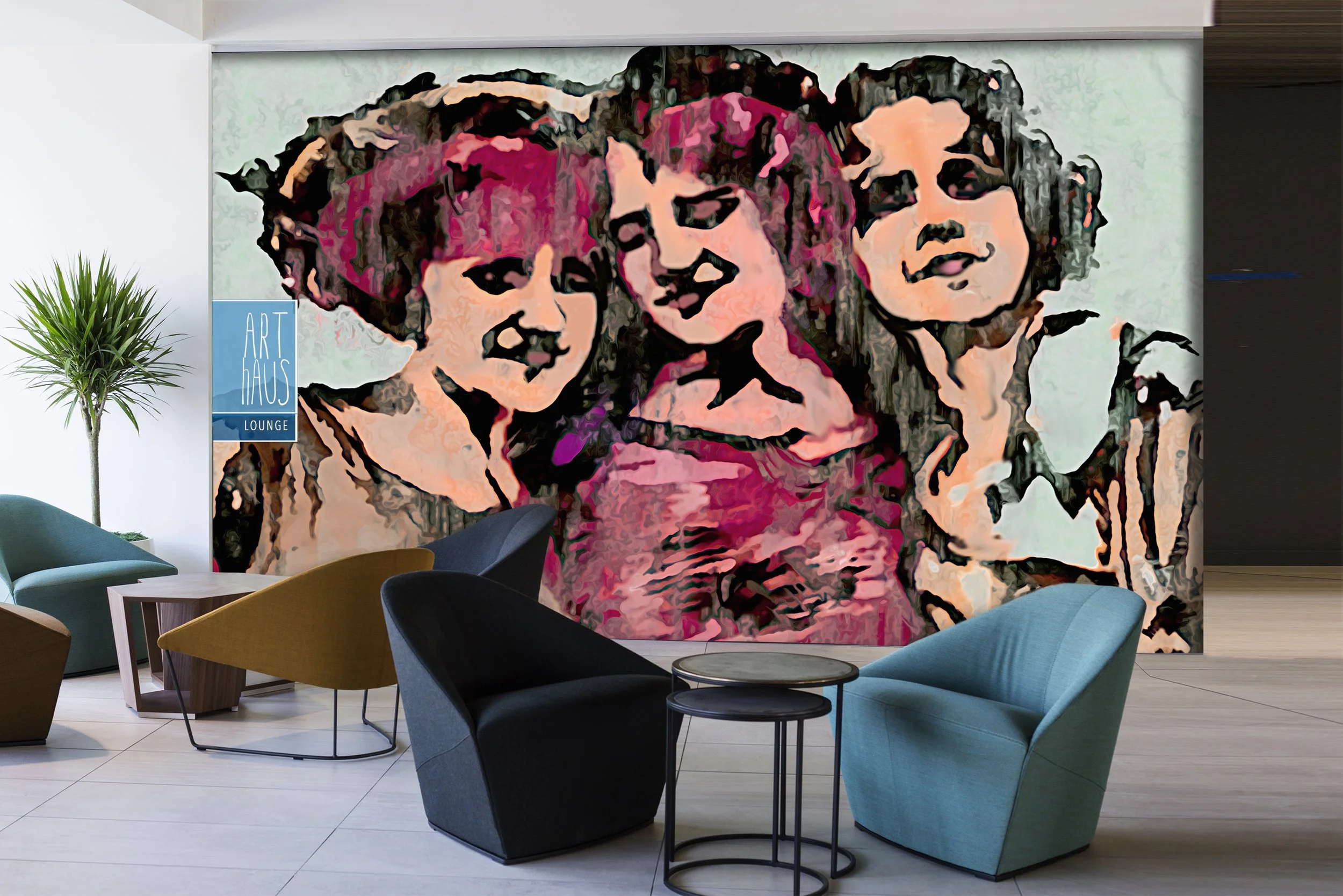
In a minimal interior, polished workplace, or environment shaped by clean lines and controlled surfaces, figurative art introduces something architecture alone cannot — human presence. A face or figure creates an immediate point of recognition, inviting curiosity, memory, conversation, and connection.
Figurative work is a particular focus of my studio practice, but the larger principle is broader: art can carry emotion, humor, culture, memory, and tell a story in ways conventional branding cannot. It can make a space feel less anonymous and more alive.
How
I begin with the relationship between the art, the architecture, and the people who will experience all of them.
I create original paintings, site-specific commissions, coordinated collections, editions, and art-led installations in response to a place — considering its history, landscape, brand, scale, and atmosphere.
The question is never simply, “What matches?” It’s, “What belongs here — and what will make this place feel alive?”
What
Art that feels inseparable from the place it inhabits.
The result may be one defining original, a collection, a large-scale commission, or an installation — but the purpose goes beyond filling an empty wall.
The right work can shift the emotional temperature of a room, introduce human connection, create conversation, and give an environment a visual signature people remember.
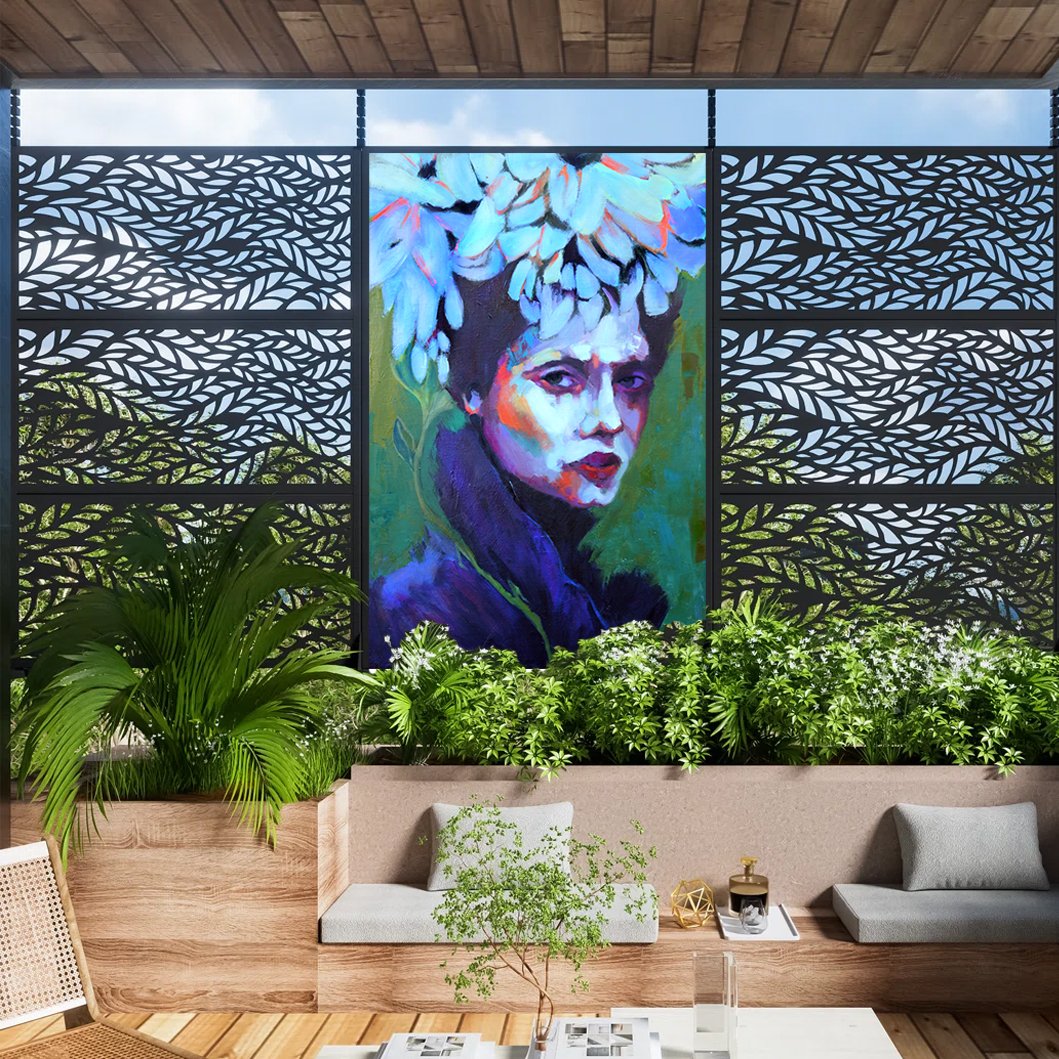
Site-Specific Artwork
I take on a limited number of site-specific commissions each year for collectors, designers, architects, founders, hospitality spaces, and organizations looking for artwork with a distinct emotional or spatial purpose.
Projects can range from a defining original or figurative work to coordinated collections, large-scale commissions, and art-led installations — each developed in response to the architecture, story, audience, and character of the place.
Collect the Work
Looking for an existing original? Original paintings and fine art editions are available through MichelleCarnes.com.
Let’s reveal the story beneath the surface.
Carnes Creative brings identity to life through brand, art, and space — turning what makes a brand or place distinct into something people can see, feel, experience, and remember.

brand.
Why
The strongest brands are not invented from scratch. They are uncovered.
I look for what is already true — qualities that make a business impossible to confuse with anyone else. In an oversaturated market, distinction has value. Bold does not have to mean loud. It means having the confidence to be particular.
How
I begin with research, conversation, observation, and strategy, then translate what I find into a clear visual language.
That can include positioning, identity systems, campaigns, typography, color, imagery, print, digital, and guidelines. But I also look beyond the obvious visual solution — considering what a brand would value, surround itself with, and ultimately feel like to encounter.
What
An identity with clarity, character, and a recognizable point of view.
Not simply a logo or collection of assets, but a visual system that feels specific to you — one that can move across campaigns, digital, print, environments, and experiences without losing its identity.
space.
Why
Identity becomes most powerful when people can step inside it.
A brand can be beautifully expressed on a screen and disappear the moment someone enters the physical space. Architecture can be beautifully resolved and still feel polished but anonymous.
I’m interested in the point where identity becomes atmosphere — where story, art, graphics, color, materials, objects, and movement begin working together to create a genuine sense of place.
How
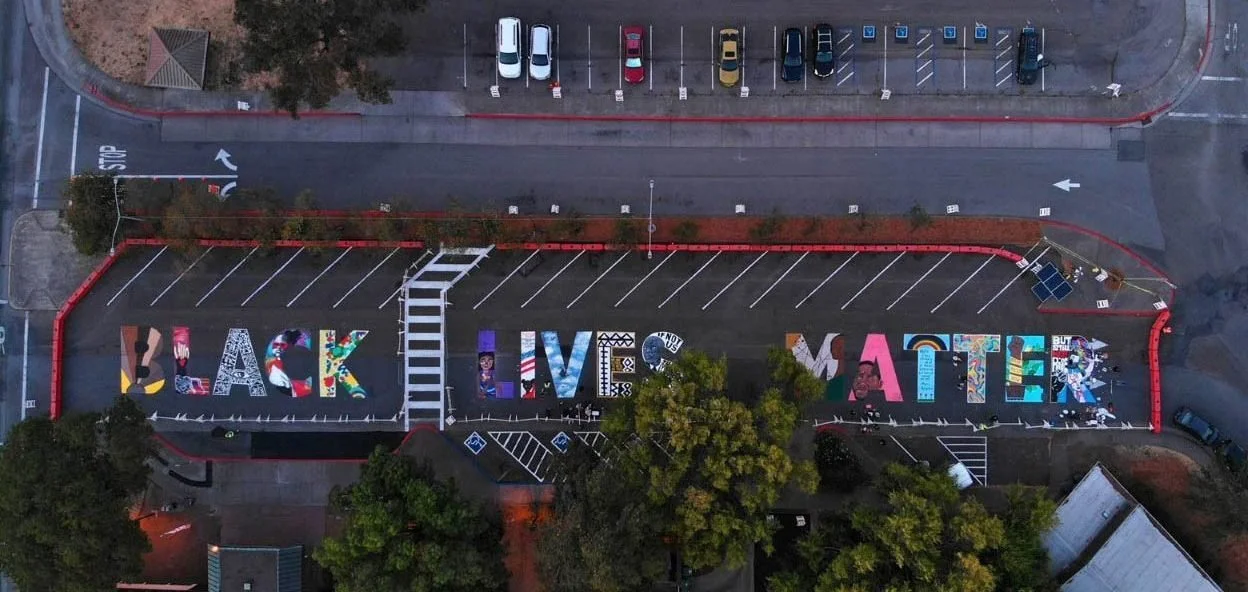
I work across environmental graphics, wayfinding, custom imagery, wall treatments, branded installations, placemaking, and visual storytelling.
I don’t begin by asking how to decorate the walls. I ask what should be felt here — and what already belongs to the place.
From there, I use visual rhythm to make the identity tangible. The goal is not simply to apply a brand to a space, but to build the details that make its world feel believable. The details create the world.
What
An environment with its own identity, atmosphere, and sense of place.
For hospitality and retail, that can mean a destination people remember and want to return to. For workplaces, it can create surroundings that feel connected to the culture of the organization. For cultural and public spaces, it can strengthen orientation, belonging, and connection to place.
Most importantly, the physical experience becomes an extension of the identity rather than simply a container for it.
The brand may bring someone through the door. The atmosphere gives them something to remember after they leave.